
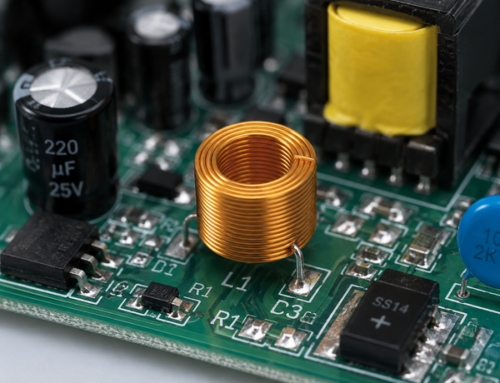
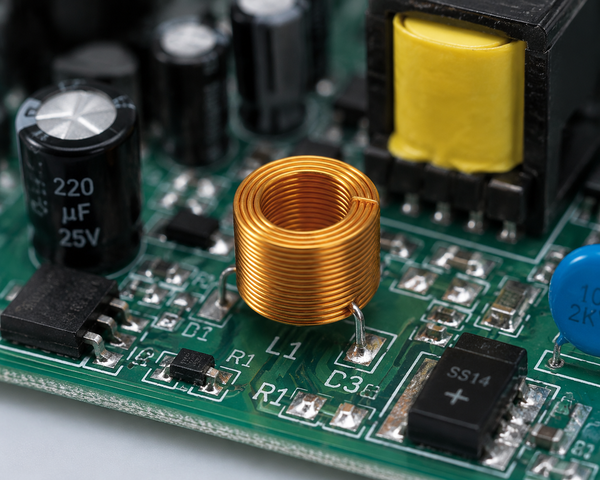
Modern high-performance power conversion systems demand reliable magnetic components to maximize energy transmission efficiency today. Furthermore, inferior winding conductors cause high thermal loss and energy waste in compact power modules. Today, deploying a copper inductor coil optimizes current density while reducing electromagnetic interference significantly. Consequently, power systems engineers enhance circuit reliability while ensuring lead-free compliance across international ROHS and REACH environmental safety standards.
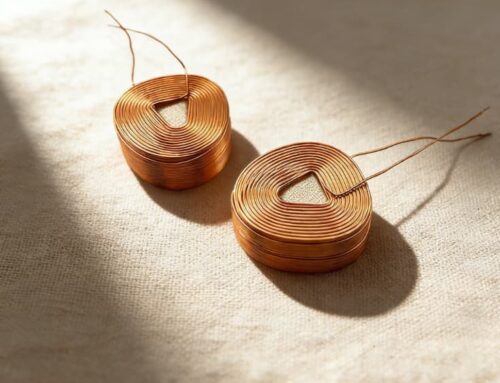
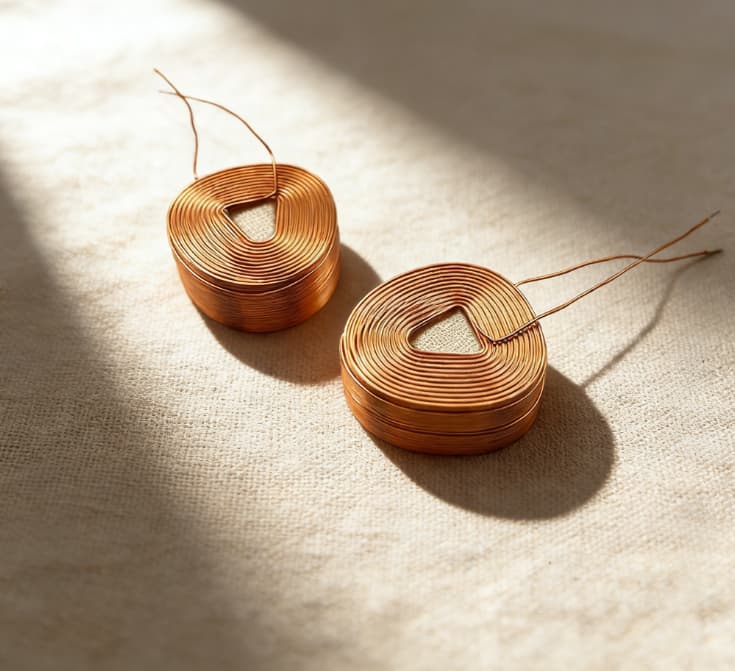
Our high-precision USTC wire winding coils deliver exceptional electrical conductivity for advanced power electronics applications. Therefore, hardware developers replace standard solid magnet wire with ultra-stable Litz and USTC wire structures. Specifically, our custom coils feature high-purity copper conductors wrapped in durable protective insulation layers. Explore our product-category for specialized inductor coils and custom wireless power winding solutions.
In addition, advanced automatic winding machinery guarantees consistent turns layering and precise dimensional tolerances. Consequently, power modules achieve higher magnetic coupling coefficients while maintaining stable inductance values continuously. Furthermore, robust mechanical construction withstands harsh thermal fluctuations across industrial, automotive, and consumer electronics applications.

Power Electronics Bottlenecks: Resolving 4 Thermal and Efficiency Issues
Power supply engineers face skin effect losses, excessive heat generation, mechanical coil deformation, and electromagnetic noise. Below, we examine four primary magnetic design challenges and our technical component solutions.
High AC Resistance Losses from High-Frequency Skin Effect
High switching frequencies in modern power converters force alternating current toward the outer surface of solid copper wire. Specifically, reduced effective wire cross-section increases AC resistance, causing high thermal energy loss during operation. Therefore, high-frequency power electronics require specialized multi-strand conductor designs. Consequently, utilizing a copper inductor coil with USTC wire mitigates high-frequency skin effect losses effectively.
Example: A high-frequency wireless charging pad experiences severe efficiency drops due to excessive heat in standard single-strand copper windings. High operating temperatures degrade surrounding circuit components, forcing thermal throttling during fast charging modes. Check our technical-guide for high-frequency coil winding techniques and wire selection standards.
In contrast, our USTC wire winding coil combines multiple insulated fine copper strands under a protective textile outer sleeve. Furthermore, multi-strand layouts distribute high-frequency current evenly across every strand, lowering total AC resistance. Thus, power conversion modules operate cooler while transferring high energy density efficiently.
Electromagnetic Interference and Weak Magnetic Coupling
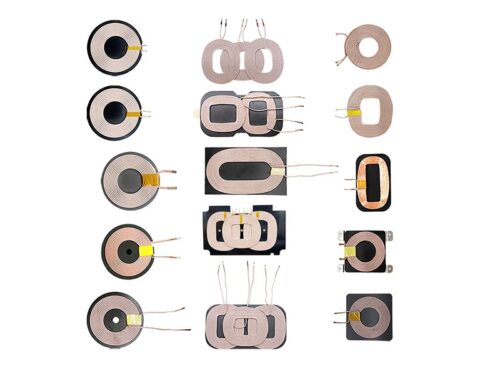
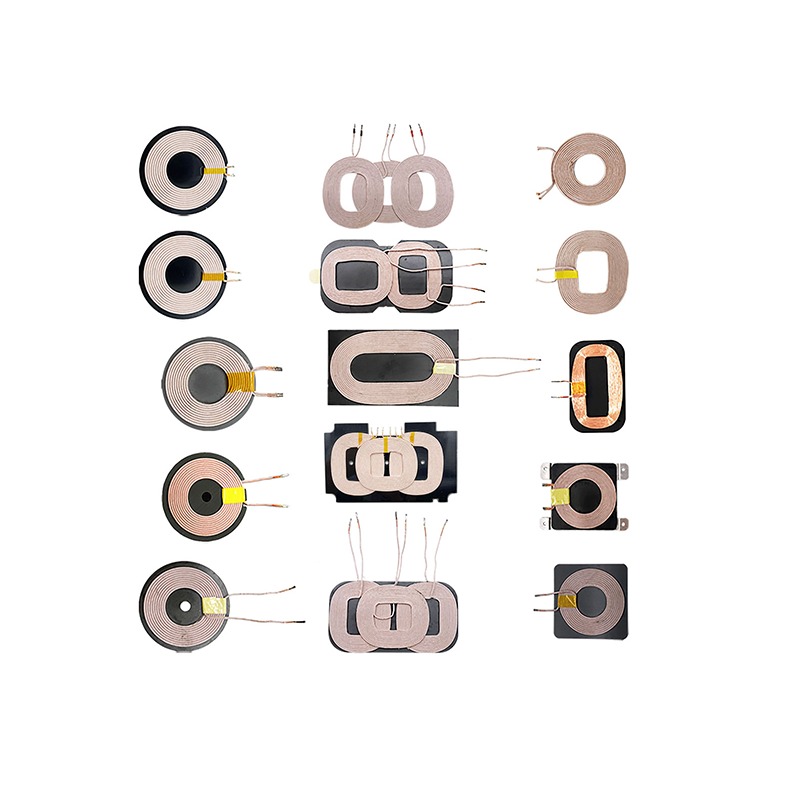
Uneven coil turns spacing creates erratic magnetic flux leakage, interfering with adjacent sensitive analog control circuitry. Specifically, poor magnetic coupling lowers energy transfer efficiency in primary-to-secondary transformer and charging module designs. Therefore, precision inductive components require uniform layering and tight physical tolerance controls. Consequently, installing a wireless charging module inductor coil restores clean magnetic coupling across power interfaces.
Example: An automotive wireless phone charger fails strict electromagnetic compatibility tests due to loose, hand-wound transmitter coils. High stray magnetic fields cause data signal distortion across adjacent vehicle dashboard infotainment modules. In contrast, SEISMO applies advanced automated CNC winding technology.
Additionally, precise turns placement minimizes parasitic capacitance and eliminates erratic magnetic field spillover completely. Furthermore, uniform coil geometries maximize coupling coefficients between power transmitters and receiver modules. As a result, hardware developers achieve clean electromagnetic performance while satisfying strict automotive EMC standards.
Thermal Degradation and Coil Deformation Under Heavy Load
Continuous high-current loads generate thermal stress that degrades low-grade magnet wire insulation over extended operating cycles. Specifically, insulation breakdown causes inter-turn short circuits, failing power converters and stopping equipment operations suddenly. Therefore, demanding industrial power systems require thermally stable, high-purity copper conductor materials. Consequently, selecting an inductive wire winding coil ensures long-term operational stability under thermal stress.
Example: An industrial power supply coil deforms under continuous high-power operation, melting cheap outer enamel coatings and causing short circuits. Equipment downtime damages factory production schedules, incurring heavy financial losses and unexpected maintenance expenses. In contrast, our USTC coils utilize high-grade copper surrounded by heat-resistant insulation.
Additionally, robust mechanical structures resist thermal expansion and contraction without cracking internal wire coatings. Furthermore, high-density copper windings maintain structural integrity during severe mechanical vibrations in mobile field gear. Thus, power electronics manufacturers extend product operational lifespans while eliminating field failure risks.
Rigid Form Factors Restricting Compact Module Integration
Pre-manufactured off-the-shelf inductor coils rarely fit tightly constrained internal PCB dimensions inside slim modern smart devices. Specifically, rigid coil shapes force hardware designers to compromise circuit layouts or expand outer housing dimensions. However, fully customizable coil manufacturing allows engineers to tailor physical dimensions to exact product enclosures.
Example: A smartwatch developer cannot fit standard circular charging coils into a narrow rectangular smart band enclosure design. Forcing standard component sizes increases device thickness, making the wearable product uncomfortable for end consumers. In contrast, we offer complete physical customization for custom shapes and sizes.
Additionally, engineers specify exact inner/outer diameters, turn counts, and pin terminal configurations effortlessly. Consequently, system designers integrate high-performance magnetic coils into ultra-thin consumer wearables and compact automotive modules. Thus, electronics brands deliver sleek product designs without sacrificing power transfer performance.

Technical Solutions: Precision Engineering for Inductor Coils
Superior magnetic component performance relies on high-purity copper materials, precision winding machinery, and strict environmental compliance. Furthermore, rigorous quality control protocols ensure consistent electrical parameters across high-volume production batches.
High-Purity Copper Conductors and Advanced USTC Wire Architecture
Engineers construct these high-performance inductor coils using oxygen-free high-conductivity copper wire for minimal DC resistance. Specifically, high-precision USTC wire construction bundles multiple individually insulated strands under a tough outer textile sheath. Furthermore, precise strand transposition minimizes proximity effects across high-frequency operating ranges. Consequently, circuit designers rely on a high precision ustc wire coil for demanding power conversion tasks.
In addition, custom coil geometry options accommodate both transmitter and receiver configurations within compact wireless power systems. Specifically, high dimensional accuracy ensures exact self-resonant frequency alignment across primary and secondary LC tank circuits. Consequently, wireless power modules achieve peak energy transmission efficiency across varying load conditions.
Strict ROHS Compliance and Automated CNC Production Lines
Our USTC wire winding coils undergo automated manufacturing to guarantee strict physical tolerance controls across mass production. Specifically, automated tension controllers maintain constant wire pulling force, preventing internal copper stretching or insulation damage. Furthermore, 100% compliant raw materials satisfy global ROHS and REACH environmental protection directives. Discover options in our product-category custom copper winding coils catalog.
Moreover, every production lot undergoes thorough inductance, Q-factor, and DC resistance testing before final shipment packaging. Thus, hardware integration teams receive pre-validated magnetic components ready for automated surface-mount assembly lines. Consequently, commercial electronics manufacturers accelerate time-to-market while maintaining high manufacturing yield rates.
Product Parameter & Specification Overview
Review key technical specifications comparing standard solid magnet wire coils against our High-Precision Copper USTC Winding Coil.
| Technical Parameter / Feature | Standard Solid Magnet Wire Coil | High-Precision Copper USTC Coil | Power Electronics Advantage & Benefit |
| Conductor Architecture | Single Solid Copper Strand | Multi-Strand USTC / Litz Wire | Suppresses Skin Effect & Lowers AC Loss |
| High-Frequency AC Efficiency | Low (High AC Resistance) | Superior (Low Multi-Strand Loss) | Maximizes Efficiency in High-kHz/MHz Ranges |
| Turns Spacing & Precision | Manual / Basic Winding | Automated CNC Precision Layering | Reduces Stray Capacitance & EMI Leakage |
| Shape & Dimensional Customization | Fixed Standard Catalog Sizes | Fully Customizable Shapes & Turns | Fits Tight Interior Device Enclosures Easily |
| Thermal & Mechanical Stability | Moderate (Risk of Deforming) | High Resistance to Heat & Vibration | Prevents Inter-Turn Short Circuits & Failures |
| Environmental Compliance | Basic Commercial Standards | 100% ROHS & REACH Compliant | Ensures Safe Global Market Distribution |
Versatile Applications in Wireless Power and Industrial Electronics
Modern power electronics systems require versatile magnetic components that operate reliably across diverse high-frequency application environments. Furthermore, high-precision copper winding coils perform smoothly across consumer, automotive, and industrial power modules.
For instance, automotive electronics manufacturers deploy custom USTC copper coils inside in-cabin wireless smartphone charging pads. Specifically, high thermal stability allows the coil to deliver fast 15W power transmission inside warm vehicle dashboard compartments. Consequently, vehicle passengers enjoy rapid phone charging without overheating delicate battery management systems. Learn details in our technical-guide wireless power coil engineering guide.
Additionally, industrial automation suppliers utilize these copper coils inside sealed contactless power connectors for robotic arm tools. Physical inductive power transmission eliminates sparking mechanical contacts, allowing safe operation inside dusty or humid factory floors. Thus, automated manufacturing lines operate continuously without requiring frequent mechanical connector brush maintenance. Therefore, our copper inductor coils successfully merge high electrical conductivity, custom design flexibility, and strict environmental compliance.

Leave A Comment