
Choosing the right electronic component often determines the success of your entire circuit design. Among the most critical components, the inductor plays a vital role in energy storage and signal filtering. However, many engineers struggle when choosing between a toroidal inductor coil and traditional inductor types.
Are you looking for maximum efficiency in a compact space? Or do you need a cost-effective solution for a simple power supply? Understanding the structural differences is the first step toward making an informed decision. This guide compares these two popular styles to help you choose the best fit for your specific needs.
What Is a Toroidal Inductor Coil?
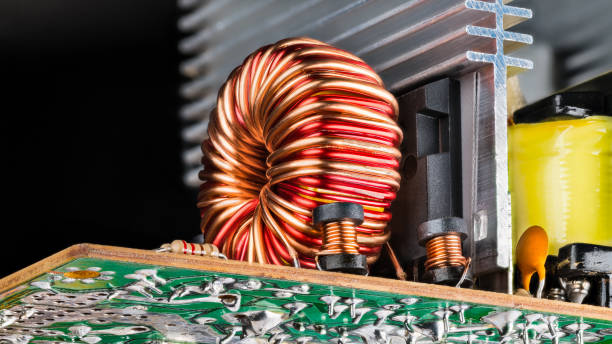
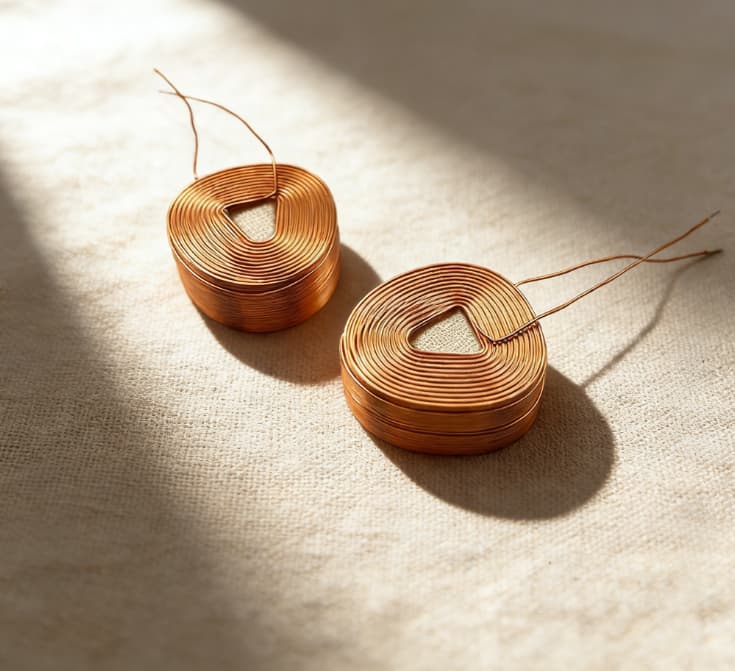
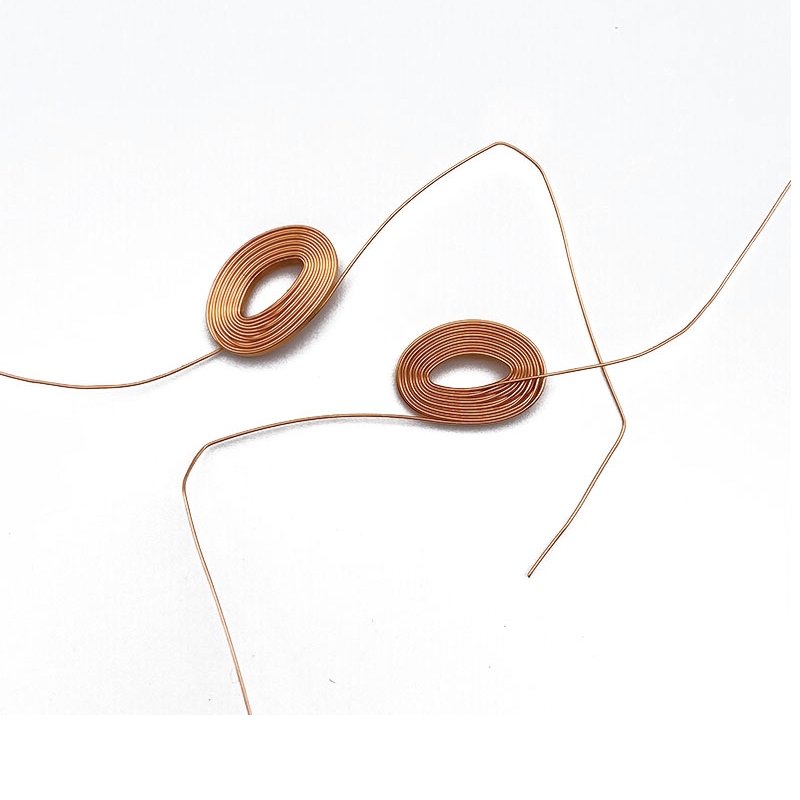
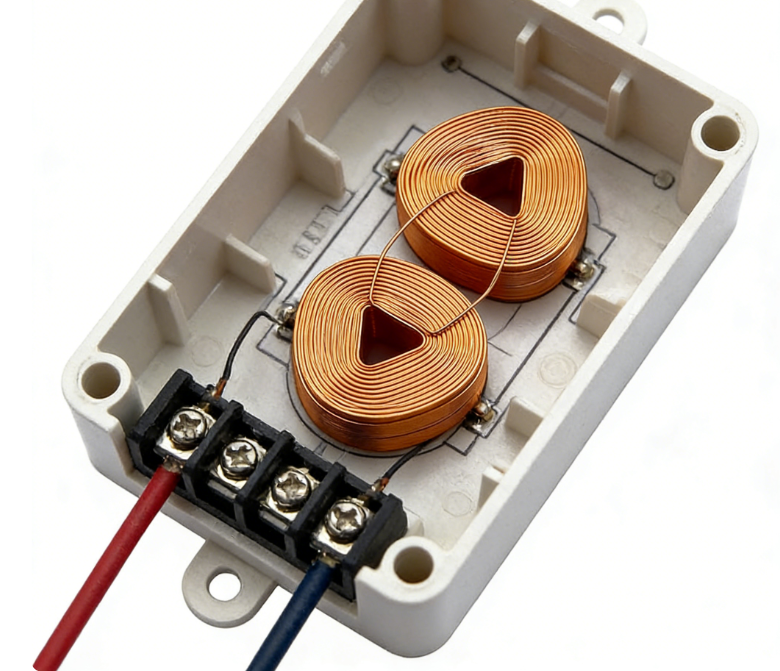
A toroidal inductor coil features a doughnut-shaped core, usually made of ferrite or powdered iron. The wire winds directly around this circular core. Because of this unique geometry, the magnetic flux remains trapped within the core material.
The Physics of the Toroid
The closed-loop core design offers a massive advantage in electromagnetic interference (EMI) control. Since the magnetic field lines do not leak out, they do not interfere with nearby components. This makes the toroid a “quiet” neighbor on a crowded printed circuit board (PCB).
High Efficiency in Small Sizes
Furthermore, these coils offer higher inductance per turn compared to straight-core models. You can achieve significant performance even with a smaller physical footprint. This efficiency makes them a favorite for modern, slim electronics.
Understanding Traditional Inductor Types
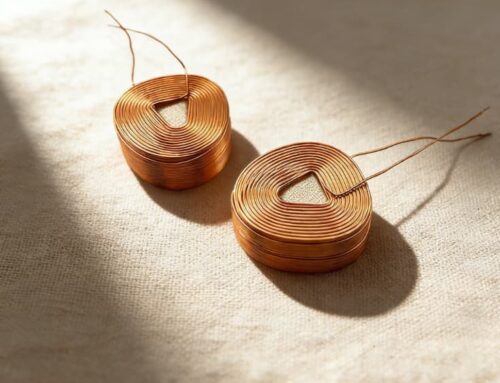
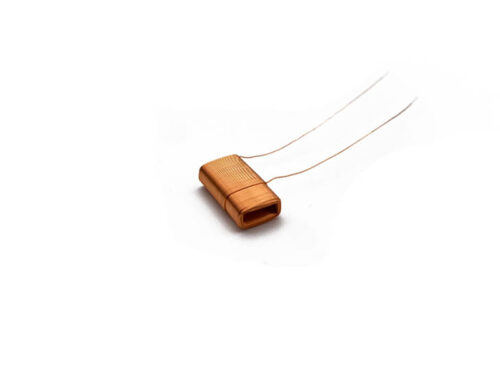
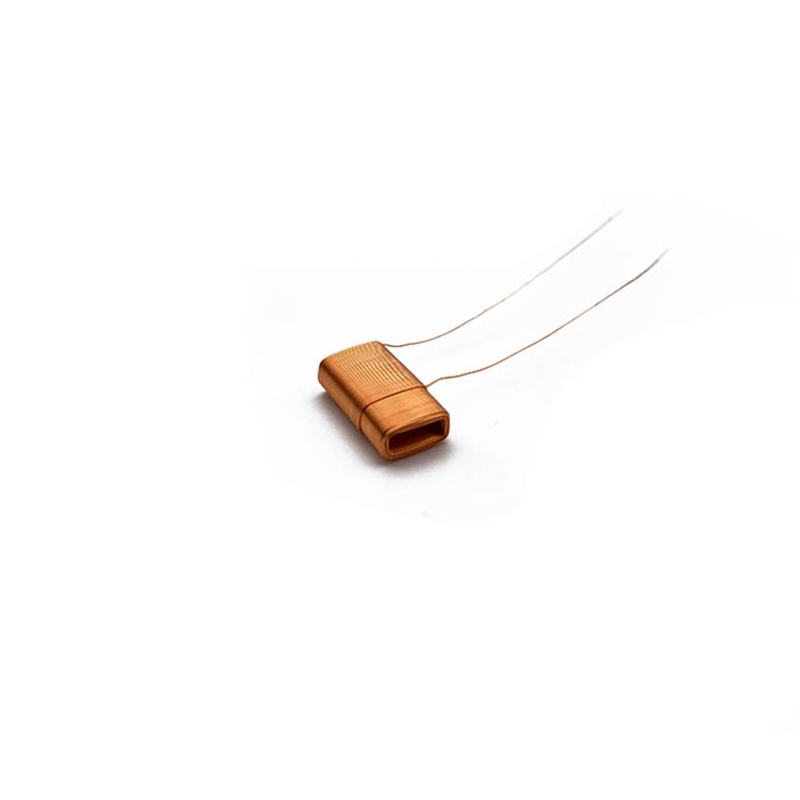
Traditional inductors typically use a solenoid or bobbin-style construction. These designs involve a straight or E-shaped core where the wire winds around a central axis. While they are older technology, they remain incredibly relevant in today’s market.
Simplicity and Manufacturing
The primary appeal of traditional inductors lies in their manufacturing simplicity. Machines can wind these coils very quickly on standardized bobbins. Consequently, they usually cost less than toroidal alternatives for high-volume production.
Handling High Current
Standard inductors often handle high DC currents without saturating as quickly as some compact toroids. They are common in heavy-duty industrial power supplies and automotive applications.
Toroidal vs. Traditional: Key Comparison Factors
To decide which is better, we must look at specific performance metrics. Let’s break down the technical differences between a toroidal inductor coil and its traditional counterparts.
1. Electromagnetic Interference (EMI)
EMI is a major concern in sensitive audio and radio frequency (RF) circuits.
-
Toroidal: The circular shape naturally contains the magnetic field. It produces very low EMI.
-
Traditional: These create a “fringe field” that can leak into other parts of the circuit. You often need extra shielding to prevent noise.
2. Space and Weight Efficiency
Modern devices demand smaller components.
-
Toroidal: These offer superior energy density. You get more inductance in a smaller package.
-
Traditional: These are often bulkier. They require more vertical or horizontal space on the PCB to achieve the same results.
3. Cost and Labor
Budget is always a factor in engineering projects.
-
Toroidal: Winding a wire through a hole is more complex. This process often requires specialized machines or manual labor, which raises the price.
-
Traditional: Automatic winding machines handle these easily. This makes them the “budget-friendly” choice for mass-produced consumer goods.
Where Should You Use a Toroidal Inductor Coil?
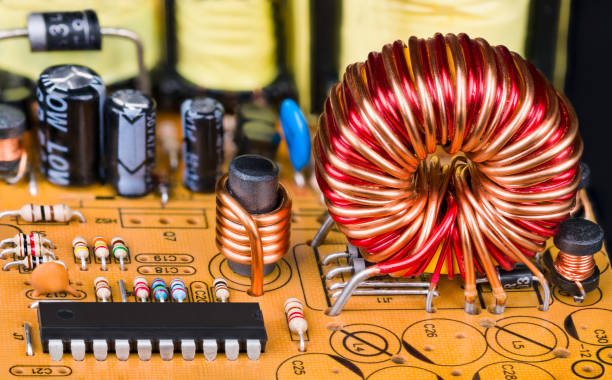
Given their unique strengths, certain applications practically demand a toroidal inductor coil.
-
Audio Equipment: Low EMI prevents hum and noise in amplifiers.
-
Medical Devices: High precision and low interference are critical for safety.
-
Power Inverters: They handle high-frequency switching with minimal energy loss.
-
Telecommunications: Compact size and signal integrity are paramount here.
When Are Traditional Inductors the Better Choice?
Don’t dismiss traditional designs too quickly. They are still the “workhorses” of the electronics world.
-
Prototyping: They are easier to modify or wind by hand during the testing phase.
-
Low-Frequency Power Supplies: When size and EMI are not primary concerns, the cost savings are significant.
-
High-Volume Toys: Simple consumer electronics often use bobbin inductors to keep retail prices low.
A Real-World Lesson from the Engineering Forums
Expert advice often comes from shared mistakes. Let’s look at a popular discussion from the EEWeb Electrical Engineering forums.
The Forum Case Study:
A startup was designing a high-end compact LED driver. Initially, they chose traditional solenoid inductors to save $0.50 per unit. During testing, the units failed FCC interference standards. The magnetic leakage from the inductors messed with the wireless control module.
The Solution:
The team switched to a toroidal inductor coil. Although the component cost increased, they eliminated the need for expensive metal shielding. In the end, the total production cost actually decreased. This proves that “cheaper” components can lead to a more expensive final product.
Technical Performance Breakdown
| Feature | Toroidal Inductor Coil | Traditional (Bobbin/E-Core) |
| Magnetic Shielding | Self-shielded (Excellent) | Poor (Requires external shield) |
| Winding Complexity | High | Low |
| Heat Dissipation | Good (Large surface area) | Moderate |
| Saturation Risk | Moderate | Lower (Easier to add air gaps) |
| Efficiency | Very High | High |
Selecting the Right Inductor for Your Project
So, which one should you choose? Follow this simple decision logic for your next design.
Check Your EMI Requirements
If your circuit is sensitive to noise, choose a ZYCOIL toroidal inductor coil. It will save you hours of troubleshooting interference issues later.
Evaluate Your Space Constraints
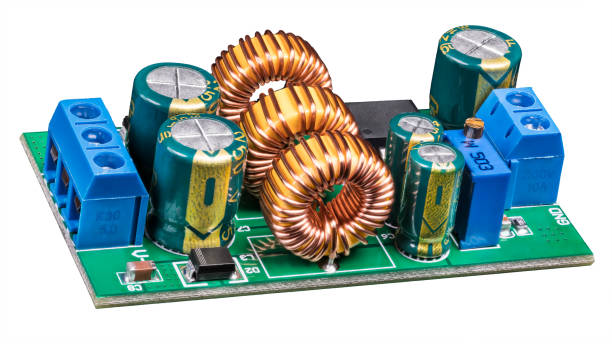
Do you have a tight PCB layout? A toroid provides the best “inductance-to-volume” ratio. It helps you keep your device sleek and portable.
Consider Your Production Volume
Are you making 10,000 units of a basic charger? Traditional inductors might be the smarter financial choice. Just ensure you place them away from sensitive traces.
Balancing Innovation and Economy
In the battle of toroidal inductor coil vs traditional inductors, there is no single winner. Instead, the “better” component depends entirely on your project’s goals. Toroids offer quiet, efficient, and compact power. Meanwhile, traditional inductors provide reliability and cost-effectiveness for simpler designs. Always analyze your EMI needs and space limits first. By choosing the right magnetic structure, you ensure a more robust and professional product. Happy designing!

Leave A Comment